Portfolio
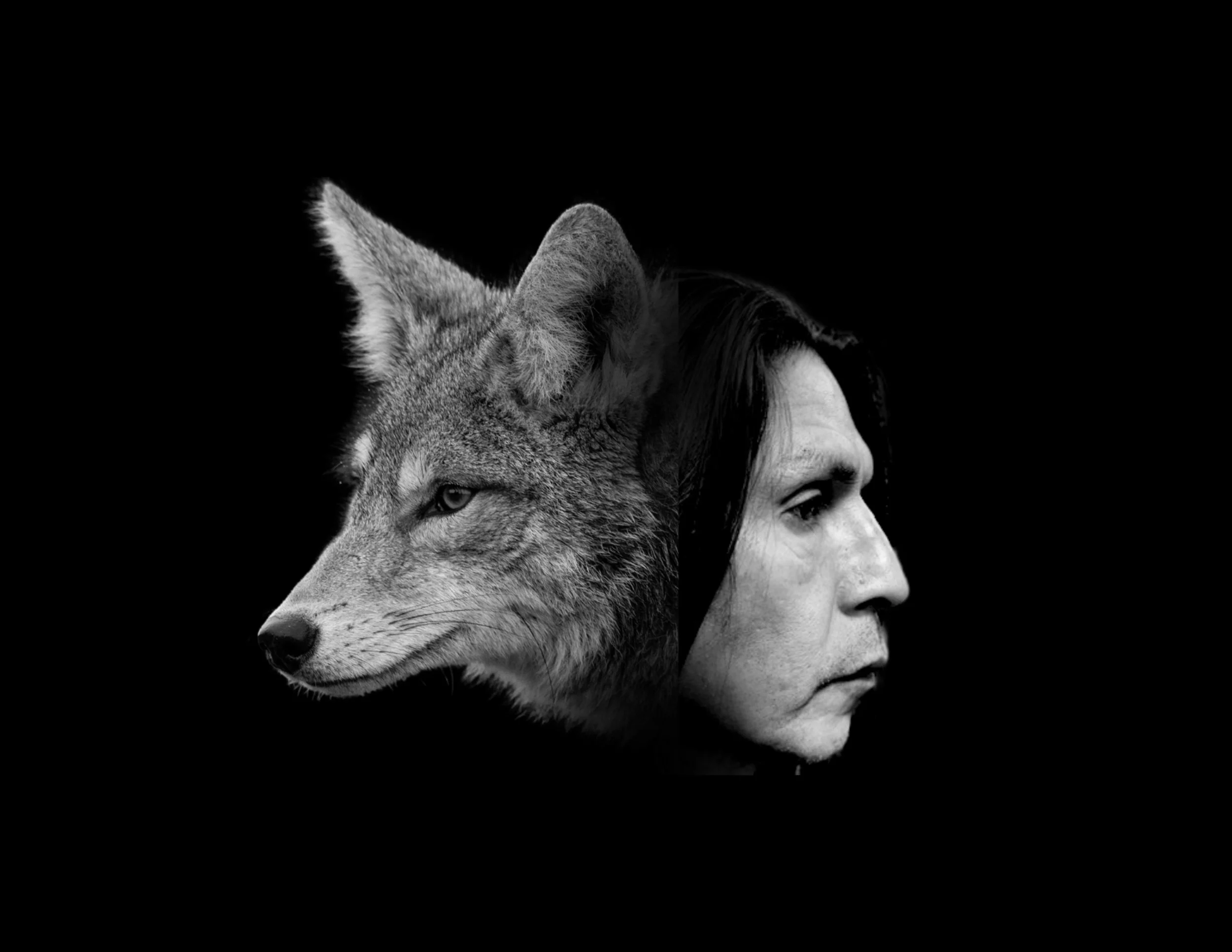
Coyote Thinking: Finding the Way Back.
In this artwork, I use a photograph of my brother with the coyote as a deeply personal reflection on addiction, memory, and the ways our thinking shifts when we are struggling to survive. In the teachings I grew up around, the coyote is not always viewed as a positive presence. Coyote often carries lessons about trickery, poor choices, wandering from the right path, and the consequences of listening to thoughts that lead us away from ourselves, our families, and our responsibilities.
When I look at this image now, I think about what I call “coyote thinking” in addiction. Addiction often speaks through deception. It tells us we are in control when we are losing ourselves. It tells us to isolate, to hide, to return to what harms us, and to believe there is no other way forward. My brother’s struggle with addiction carried many of these contradictions. I do not use the coyote to define him or judge his life. I use it to represent the battle between the person we know and love and the thoughts that addiction places in front of them.
For me, recovery asks us to recognize when coyote thinking has entered our lives and to find our way back through kinship, culture, Land, memory, and story. This photograph carries my brother as more than his addiction. It carries his humanity, his struggles, our family memories, and the love that remains. Through Indigenous Storywork and visual art, I use his image to speak about addiction without shame and to remind myself that healing begins when we remember who we are, where we come from, and who is still waiting for us to come home.
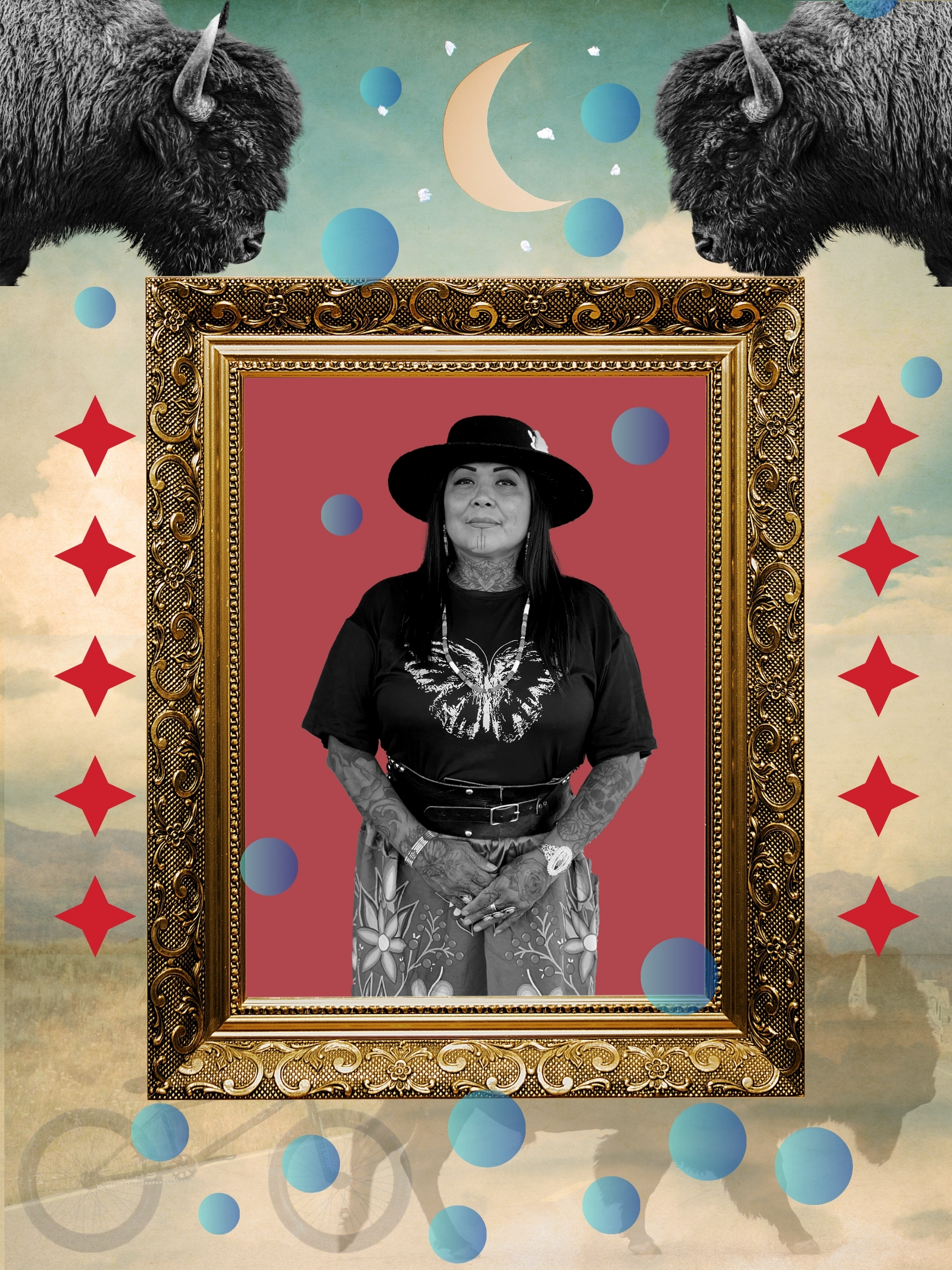
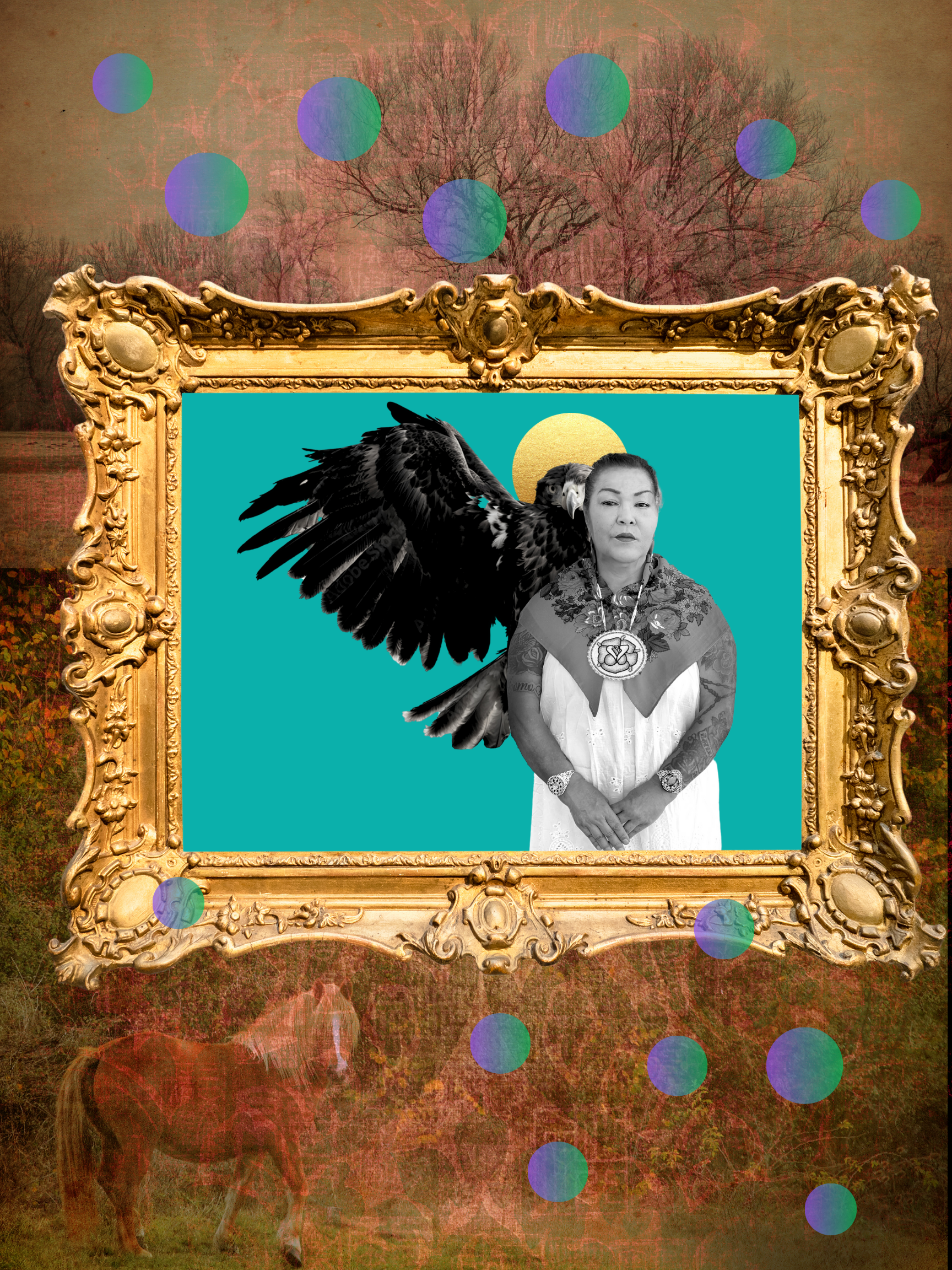
Remembering Our Way Home
This body of work emerged from the stories of four participants who shared their lived experiences of addiction, recovery, grief, memory, family, and healing within my dissertation. I approached each story with care because these were more than research responses. They were personal histories carried through relationships, place, culture, loss, and the ongoing work of finding a way back to oneself.
I used digital mixed media as a form of Indigenous Storywork because some experiences live beyond written words. I layered photographs, textures, fragments of memory, symbolic imagery, Land, color, and visual elements to hold the emotions and meanings within each participant’s story. The images were never intended to define participants through addiction. Instead, I wanted the artwork to hold the fullness of their experiences, including struggle, survival, cultural connection, family, remembrance, and recovery.
Through this process, art became another way of listening. Each layer represented the way stories are carried across time, through our bodies, our families, our communities, and the Land. Digital mixed media allowed me to place lived experience beside memory and cultural knowledge, creating a visual space where different parts of a person’s story remained connected rather than separated into clinical categories.
For me, Indigenous Storywork requires responsibility to the people whose stories we carry. I wanted these four visual narratives to honor each participant as a whole person, rather than presenting them through deficit, diagnosis, or stigma. Their stories became visual teachings about what addiction takes from us, what remains within us, and what helps us return to relationship, culture, identity, and belonging.
These works became part of my dissertation because I believe research also carries feeling, memory, and relationship. Through digital mixed media, I created a visual language for what participants shared with me. Their stories remind me that healing does not follow one path. Healing often begins through remembering, reconnecting, and finding our place again within family, culture, community, and Land.
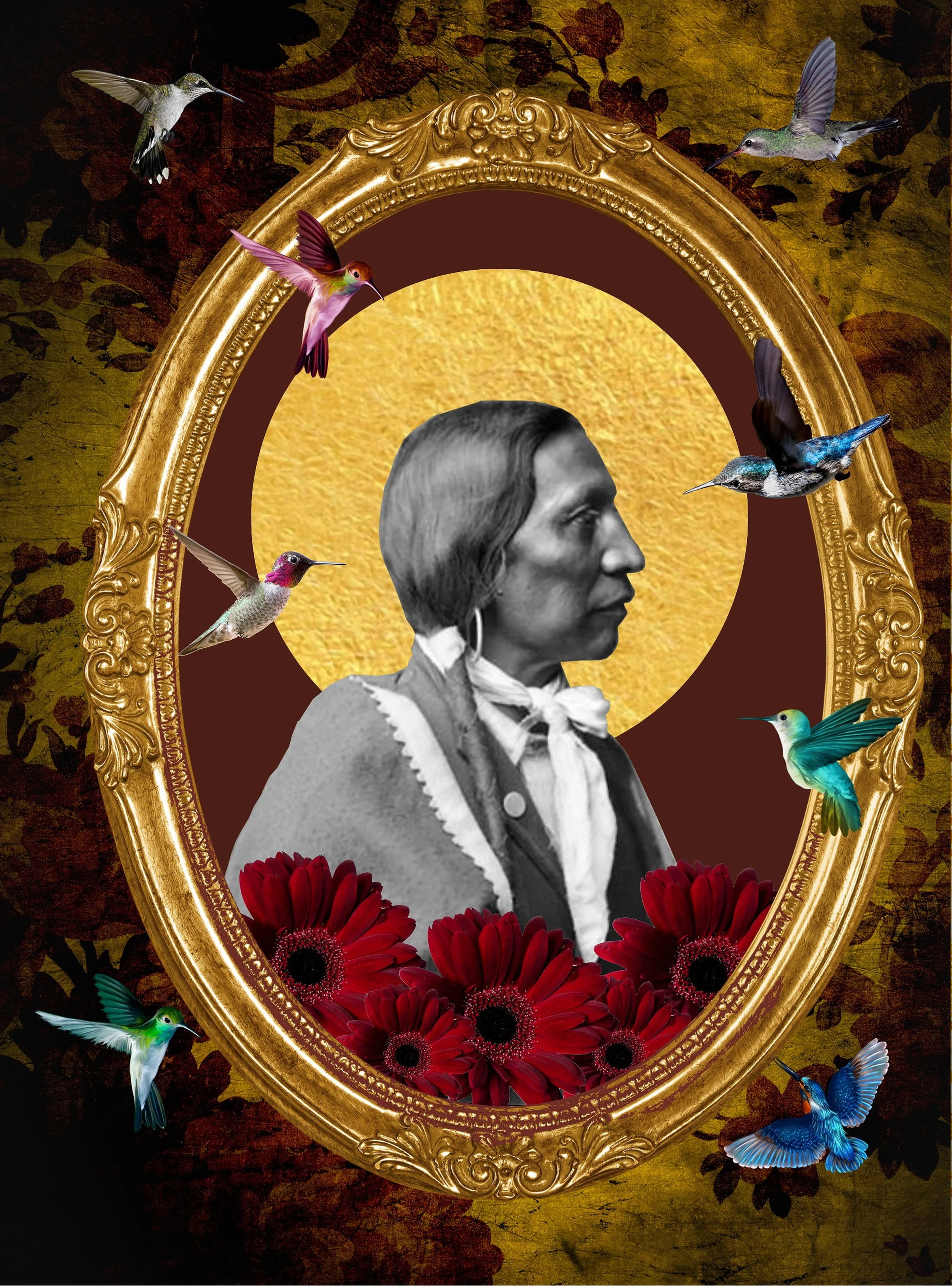
When Nature Spoke to the Nuche (Ute's)
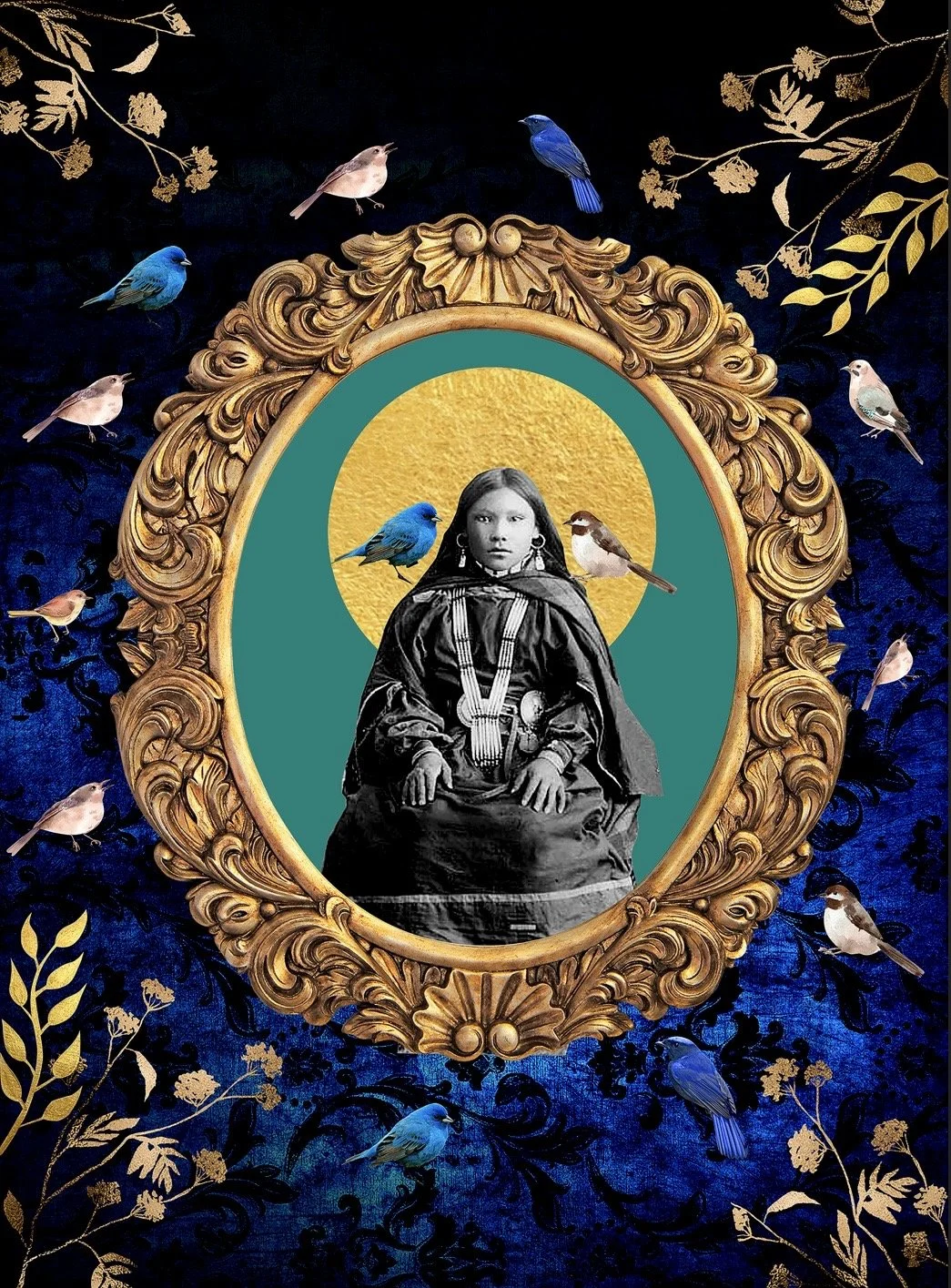
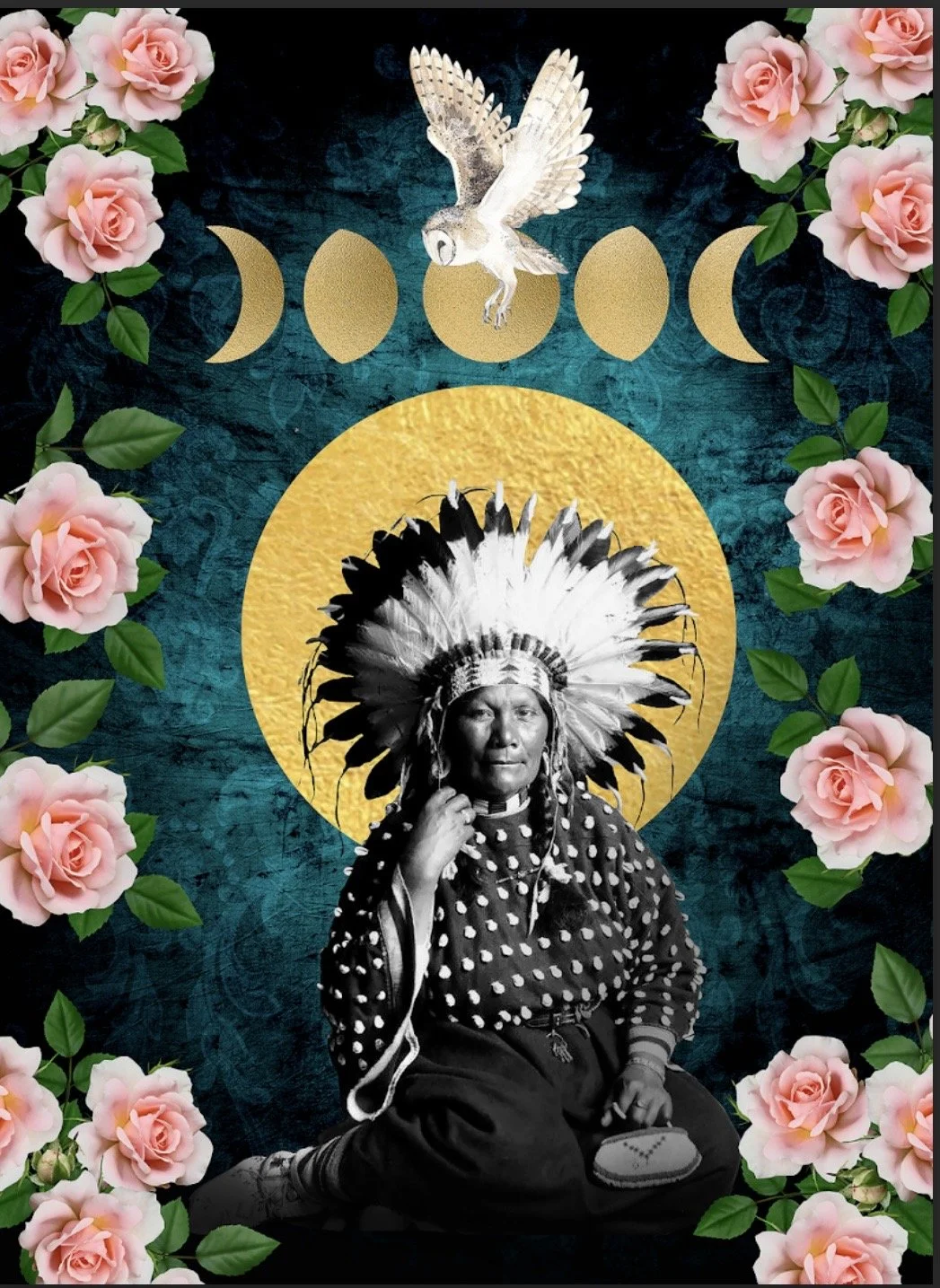
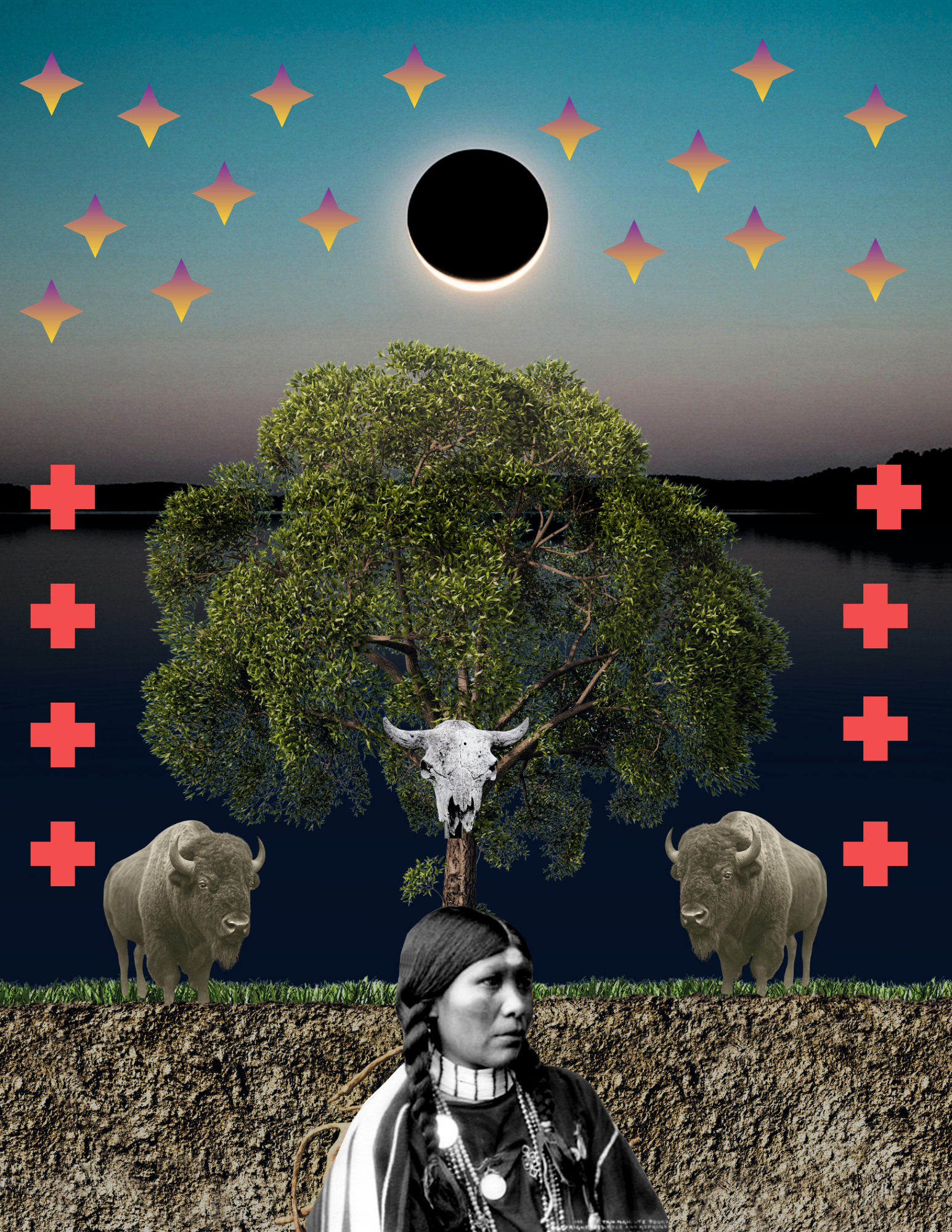
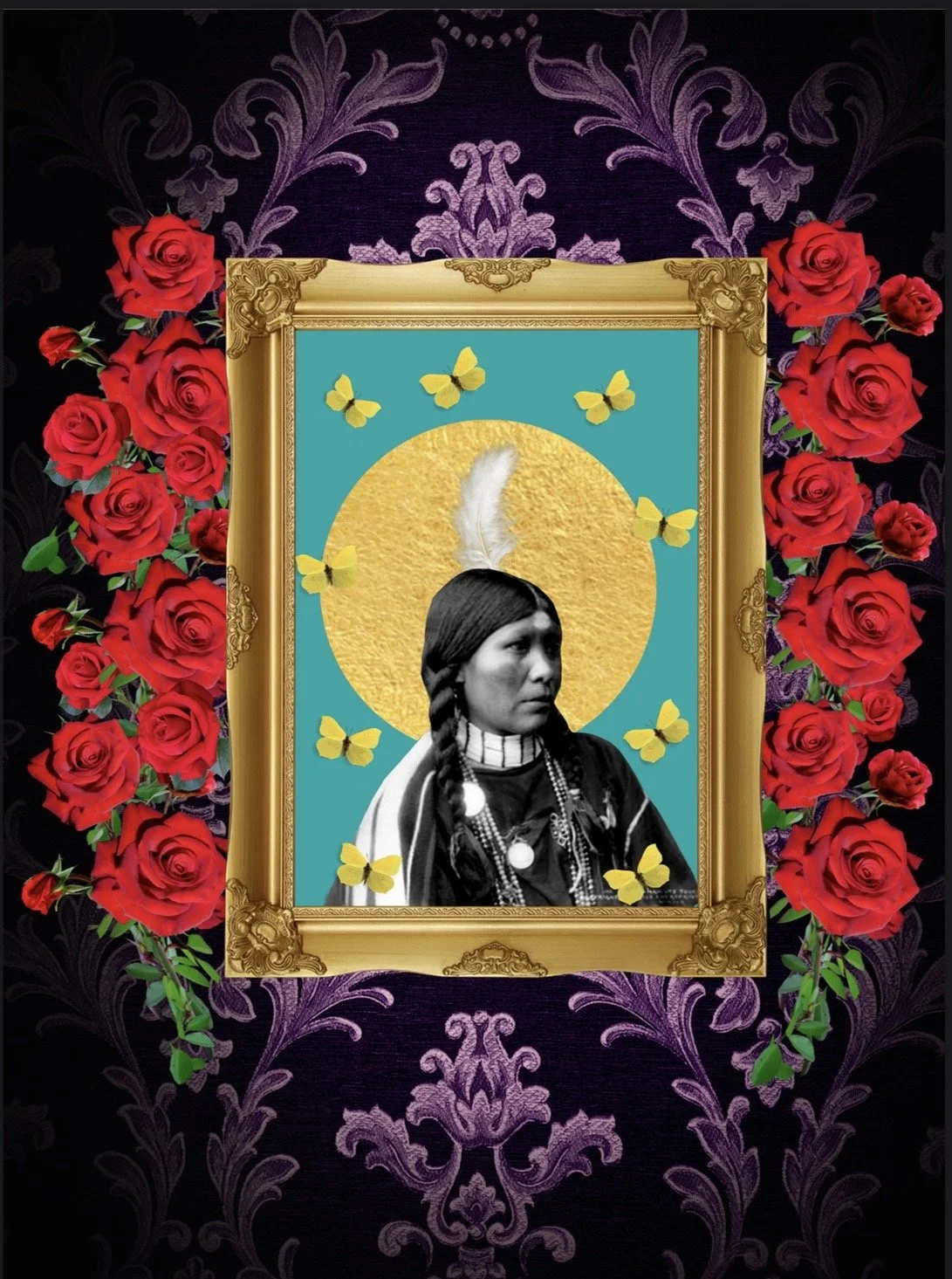
In the past, the "Nuche" Utes were believed to be able to perceive and understand the language of nature. This belief emphasized the deep connection between the natural environment and Indigenous people, suggesting that their fates were inextricably linked. It was thought that any actions that harmed the environment could lead to the loss of land and homes for one's kin, ultimately resulting in forced displacement.
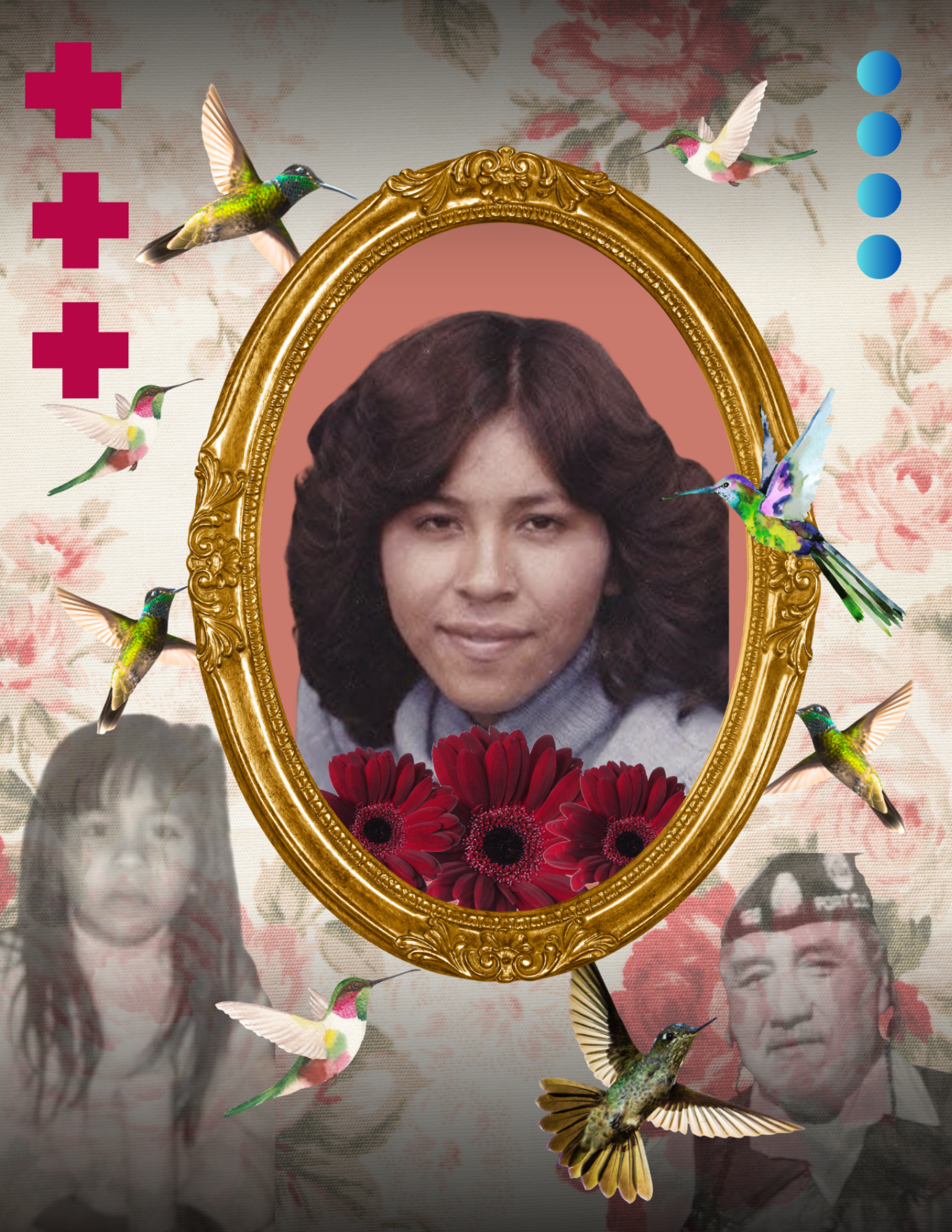
Through this series, I aimed to reclaim iconic Ute imagery captured by non-Indigenous photographers in Colorado during the late 1800s and early 1900s. By using digital mixed-media collages and incorporating symbols of natural elements, I sought to capture the essence of vintage portraits that reflect the nostalgic American West and its significant impact on this marginalized group, which was forcibly removed from their homeland. My goal was to infuse ethereal images, traditional oral stories, memories, ceremonial practices, and the spiritual significance of the Ute People to honor their culture and history.
This work is about listening. Trees, water, mountains, plants, and ancestral homelands become more than backgrounds within the image. They become relatives, witnesses, and storytellers. Through layered imagery, I bring personal memory into conversation with cultural memory, grief, survival, and healing.
When Nature Spoke to the Nuche is also an act of reclaiming our narrative. For generations, Indigenous stories have often been interpreted through outside voices. Through my art, I place our stories back within our own hands. I honor the land as living knowledge and create space for the Nuche story to be seen, remembered, and carried forward through our own ways of knowing.
On Indian Ground
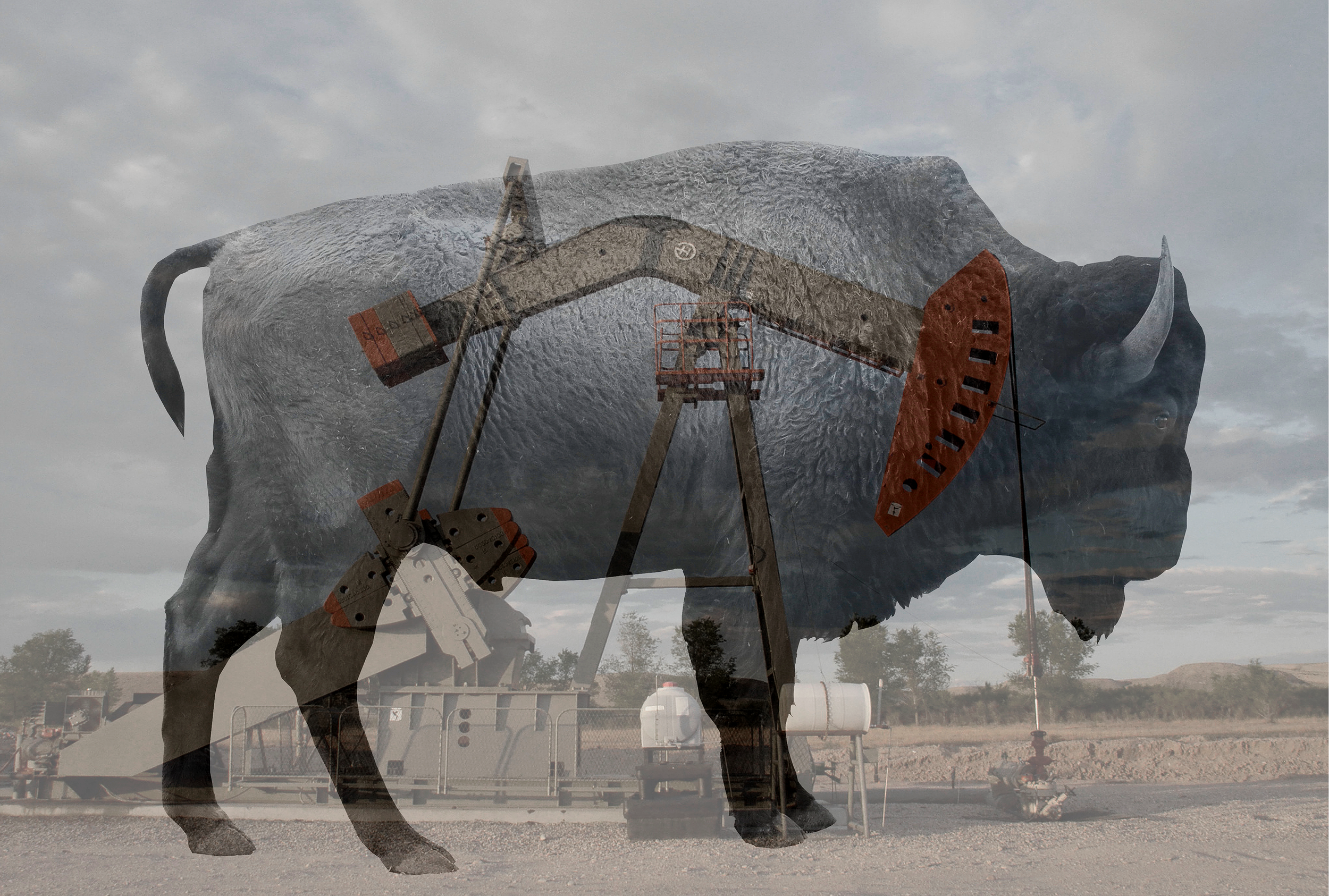
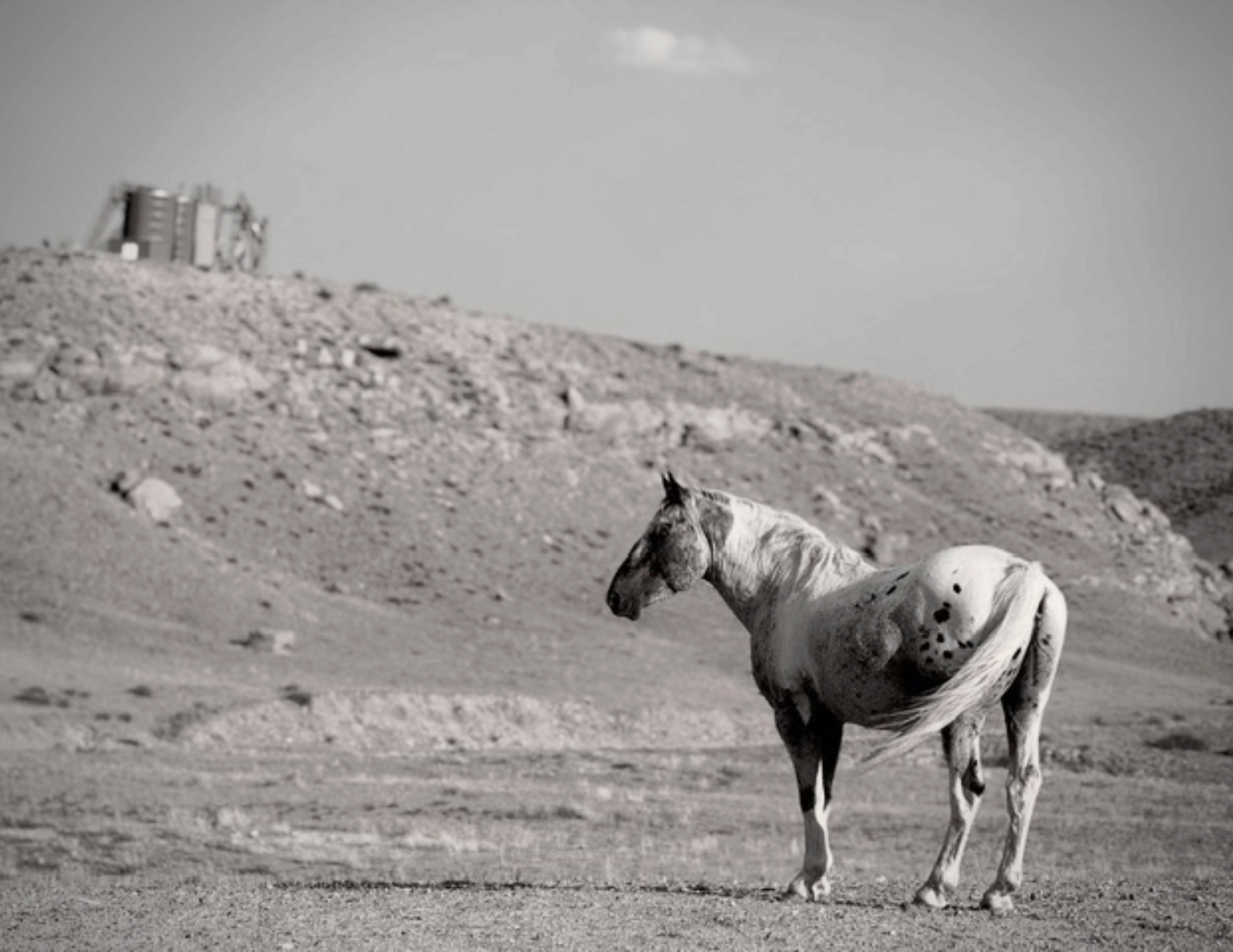
The photographs of the free-roaming Ute Bison and Wild Horse speak to the enduring relationship between Indigenous peoples, animals, land, and memory. Both animals move across Ute homelands as living reminders of cultural survival, freedom, and the responsibilities we carry to protect the places that sustain us. Their presence also creates a contemporary social commentary on the Ute Indian Tribe’s dependence on oil and gas revenue and the environmental consequences tied to extraction.
Indigenous communities continue to live with the impacts of colonial conquest, forced removal, treaty violations, and the disruption of relationships to ancestral lands. Today, extractive industries create another layer of concern through the disturbance of sacred places, pressure on water systems, changes to local ecosystems, and the contamination of air and soil. These impacts reach beyond the environment. They affect cultural practices, community health, traditional knowledge, and the relationships between people, animals, water, and land.
The Ute Bison carries deep cultural meaning and reflects both historical loss and continued resilience. The Wild Horse represents movement, survival, and a freedom closely tied to the open landscape. Together, they become witnesses to the changing land around them. Their presence asks us to consider what is lost when development separates people and animals from the places where memory, culture, and identity remain rooted.
Through these images, I explore the tension between economic survival and environmental responsibility. The work calls attention to the need for sustainable forms of energy that protect Indigenous homelands while supporting future generations. The Bison and Wild Horse stand as reminders that the land is more than a resource. It is kinship, memory, history, and a living relationship that continues to shape who we are.
Hooked- Breaking the Stigma
Art has always been a sacred language for Indigenous peoples a way to document history, honor our ancestors, and reflect the transformations within our communities. As a Northern Ute artist, I carry this tradition forward, blending traditional methods with contemporary media to tell stories of resilience, healing, and recovery.
My artistic journey is deeply personal and profoundly connected to the struggles and strengths of my people, particularly in confronting the impacts of addiction and intergenerational trauma.
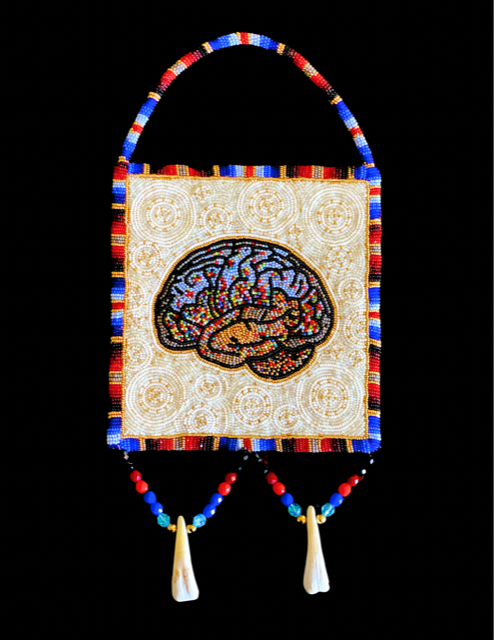
My practice bridges the tactile intimacy of traditional materials with the layered complexity of digital media. In works, like Figure 6,“Hooked: Breaking the Silence of Stigma,” I use Charlotte True Cut beads, buffalo teeth, smoked deer hide, and crystal beads to reflect the balance between vulnerability and strength.
This piece explores the emotional and physical impact of addiction while celebrating the brain’s ability to heal. By using materials with cultural significance, I hope to foster conversations about the stigma of Substance Use Disorder in tribal communities and highlight the need for communal understanding and support.